Why In-School Banking Is a Powerful Step - but Not the Whole Solution
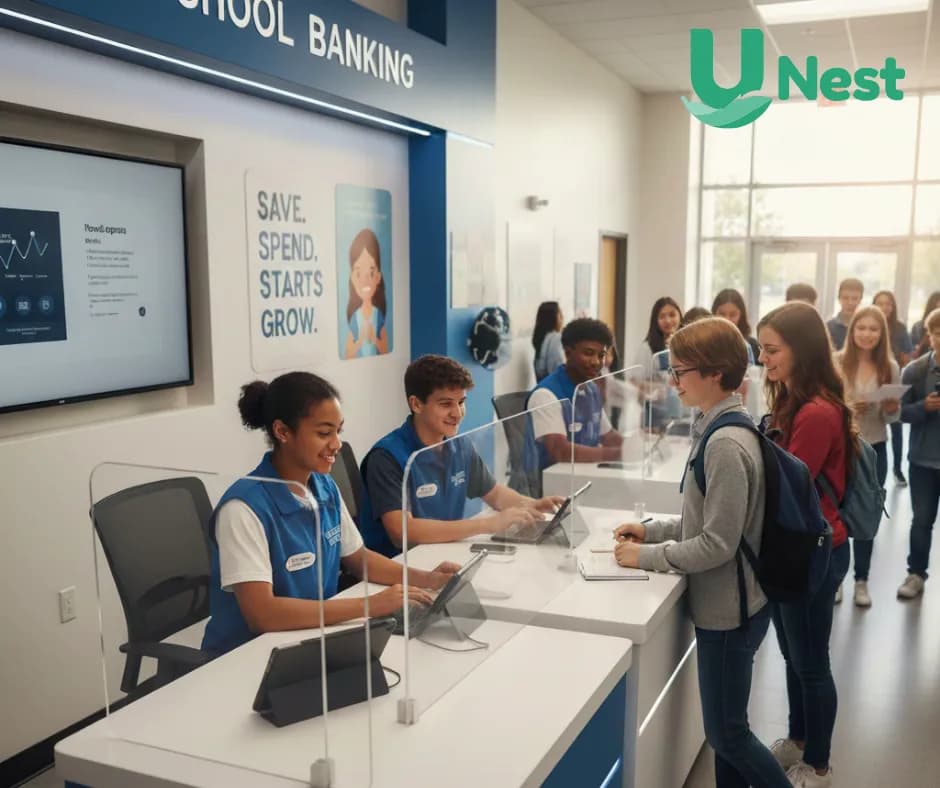
As financial education makes its way into classrooms, one new initiative is catching attention. A recent article from Education Week highlights a bold new pilot in New York City: in-school banking branches that allow teens to open and manage real accounts. Backed by 12 financial institutions, the program is designed to give students and their families hands-on access to everyday banking services - right on campus.
It's a promising move. Most states now require personal finance classes for high schoolers, but programs like these go a step further. They offer students a chance to practice what they learn - budgeting, saving, and managing money in a real-world setting. They also help address a critical gap in underserved communities, where many families may not have easy access to traditional banking.
But as advocates point out, programs like these must be carefully designed. Banks must offer low or no fees, no overdraft penalties, and consumer protections. Without these standards, young people could end up discouraged by hidden charges or confusing account terms - exactly the opposite of what financial education aims to do.
At UNest, we believe strongly in pairing financial access with financial understanding. That's why we support comprehensive financial literacy - including education on banking, credit, saving, investing, and more. Opening an account is just the beginning. Kids also need to learn how compound interest works, how to plan for the future, and how to avoid costly financial pitfalls.
That's where custodial investment accounts like UTMAs come in. While in-school banking introduces day-to-day money management, UTMA accounts provide a longer-term savings vehicle that grows with your child. Parents can start investing on their child's behalf from an early age, helping to build a strong financial foundation for college, career, or whatever path they choose.
Best of all, UTMA accounts can be part of the learning process. As your child's account grows, so can their understanding of long-term financial planning. And unlike many other options, UTMAs are flexible - the funds can be used for anything that benefits the child once they reach the age of majority.
As schools pilot new ways to boost financial literacy, families can reinforce those lessons at home. Small, consistent contributions to a UTMA account can mirror the value of saving and investing - putting financial tools into real action.
Start building your child's financial future today with a UTMA account from UNest.