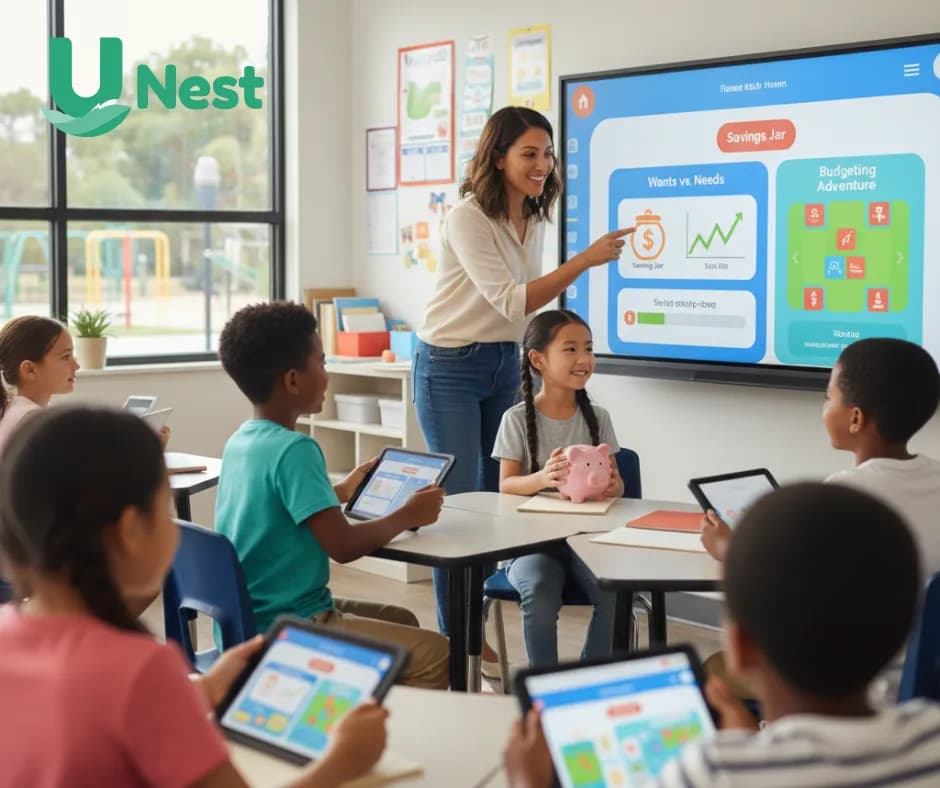
Preparing the Next Generation: Emerging Trends in K-12 Financial Education
As financial education continues to gain traction in schools, educators and parents alike are asking a crucial question: What should the next generation really know about money?
In an insightful report by EVERFI, financial literacy experts share the emerging trends shaping K-12 financial education in 2026. From digital access to real-world application, the future of learning about money is evolving fast - and families must evolve with it.
Key Takeaways from the Report
- Life-Relevant Curriculum Educators are calling for financial literacy content that’s grounded in real-life decisions - like budgeting, paying for college, and understanding credit. Students are more engaged when the material reflects their own futures.
- Earlier Introduction of Concepts Many schools are now introducing financial lessons as early as elementary school. The earlier a child learns the difference between wants and needs, the stronger their long-term habits become.
- Technology Integration Digital simulations, gamification, and mobile-based learning are becoming staples in financial education. Today’s kids are digital natives, and effective tools need to meet them where they are.
- Increased Equity and Access Schools are seeking to close the financial education gap for underserved communities. Tailored programs and multi-language content are helping ensure that all children, regardless of background, receive a strong foundation.
Why Parents Still Matter
Even with these exciting school-based initiatives, the home remains the first and most consistent classroom. Parents and caregivers play a pivotal role in reinforcing financial concepts, modeling good behavior, and creating real-world financial opportunities.
This is where tools like UTMA custodial accounts come in. By opening a UNest account, families can not only start saving for a child’s future - but also include them in conversations about money, setting goals, and understanding investments. It’s hands-on learning with real impact.
The Bottom Line
K-12 financial education is improving, but it works best when paired with early action at home. By introducing smart money habits now, families can raise confident, financially literate kids who are equipped for life.
Start building your child’s future today with a UNest account.Get Started with UNest